
Texas Utility District Shifts to Reclaimed-Water Irrigation and Innovates with State-of-the Art System for Outstanding ROI
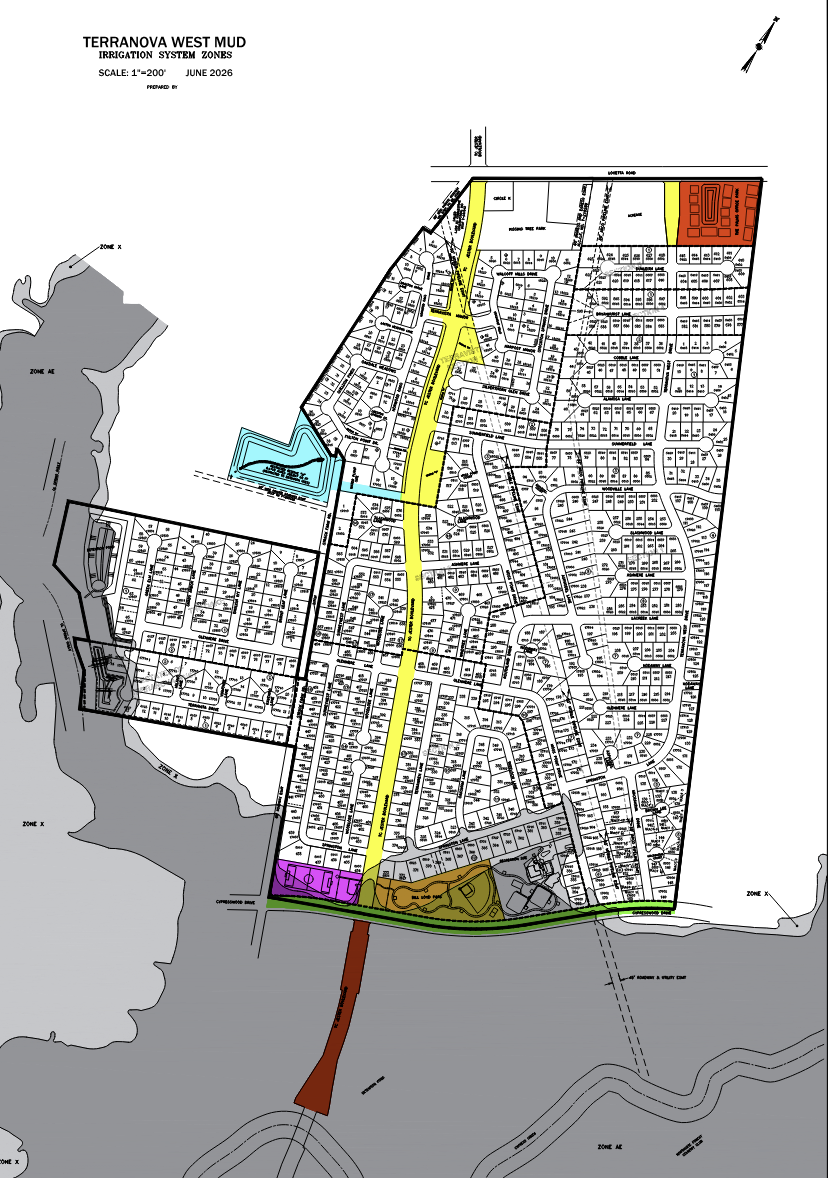
Terranova West Muncipal Utility District
Harris county, Texas
Overview
Terranova West MUD Board President Tom Lovell knew that bringing in reclaimed water for irrigation would lower the district’s exorbitant water bills. But an additional push to upgrade an off-the-shelf irrigation system and add remote monitoring capability has delivered savings and efficiency far beyond his expectations.
The Challenge:
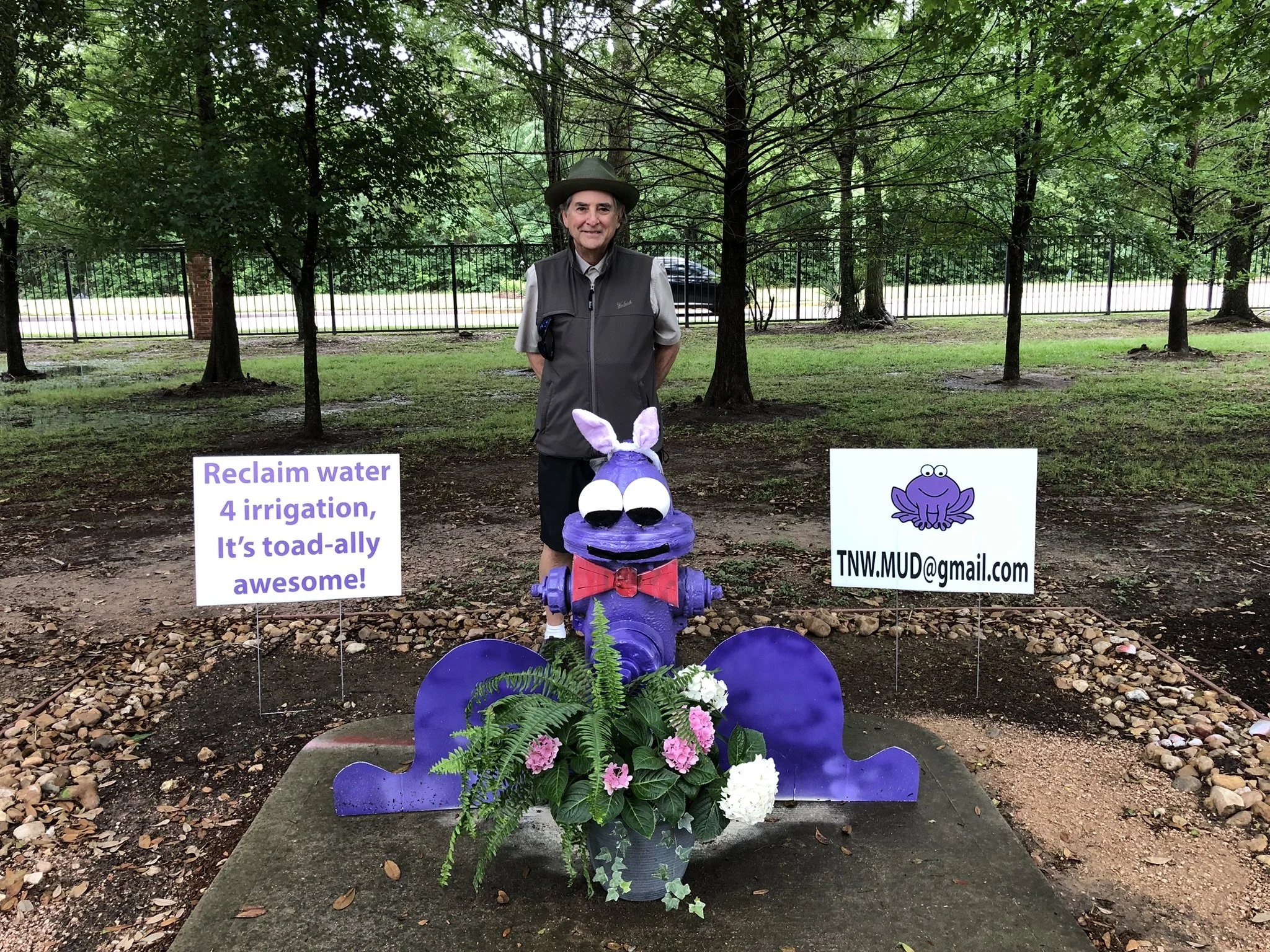
The Terranova West Municipal Utility District (MUD), about 20 miles northwest of Houston, was required to draw at least 80 percent of its treated water from the North Harris County Regional Water Authority (NHCRWA). To meet a mandate to reduce water usage throughout the county, the Authority proposed that the Terranova MUD and other districts in the county make the switch from treated water to reclaimed water for irrigation. In return, the Authority would offer monthly rebates on water usage and issue a refund for a portion of the cost to convert.
Given the high cost of irrigating with treated water, Terranova MUD Board President Tom Lovell thought that was an appealing offer. The board approached a sister district with a wastewater treatment plant and devised a plan to build a line from the plant to the Terranova MUD. From there, Lovell thought at the time, they could tie their existing off-the-shelf irrigation system to the line and save thousands by using reclaimed water to irrigate the district’s common spaces.
It wasn’t until Lovell attended a conference for the Association of Water Board Directors and heard a presentation given by Mitch Walker of Masuen Consulting (Now Hines Inc) that he realized a switch to reclaimed water was just the first step to reduce irrigation costs.
The Solution:
During his presentation, Walker explained how Masuen had worked with another Texas MUD to redesign an existing reclaimed-water irrigation system and also set up remote monitoring capability for exceptionally efficient operation.
“As soon as I heard that, a lightbulb went on and I knew that was our phase two,” says Lovell. “I have a lot of ideas and a huge interest in maintaining and expanding green spaces, but I had no idea something like this was possible.”
The Terranova MUD board hired Masuen, which was acquired by Hines in 2025, to design a new irrigation system tied to the reclaimed-water line and manage irrigation water usage on MUD properties going forward.
Given the complexity of the new scope, Lovell asked Masuen to manage the system buildout. While the district’s engineering company handled the bookkeeping and milestone management, Masuen took care of on-site details, from start to finish.
The project took three years to complete. During that time, Lovell says that Mitch Walker stayed closely involved, coming down from his office in Washington State at a moment’s notice. And the on-site project manager, John Taylor, now a regional representative with Hines, was indispensable.
“John was fantastic to work with,” says Lovell. “Our general contractor was a landscaping operation with limited reclaim experience, but we were able to work through issues because of the terrific work John and Mitch did.”
The Results:
Lovell had long known that irrigating with treated water was expensive and wasteful. And bringing in reclaimed water reduced water costs as expected. But, he says, Masuen and Hines added so much more.
“Along with their expertise building the system was the remote monitoring capability,” he says. “With built in AI capability and human oversight, they can see usage month by month, day by day, hour by hour, and constantly adjust the system as needed. It’s exceeded my wildest expectations of what we would get out of this program.”
Conservation has been at the heart of the project from the start, Reduced water usage has enabled the district to add more green space, which has a direct effect on the appeal of the area and associated property values. It’s an achievement that’s earned the district a lot of attention and some additional funding as well. Lovell was able to secure a $200,000 grant through the Harris-Galveston Subsidence District, which exists to reduce water usage in the region.
But the most significant win shows up monthly in the fee charged by the NHCRWA for purchased water. In addition to a 10 percent rebate on the cost of the project, the NHCRWA gives the district a one-half fee credit for the amount of reclaimed water used for irrigation every month.
“That,” says Lovell, “is thousands of dollars every month that we’re able to apply to the cost of the project.”